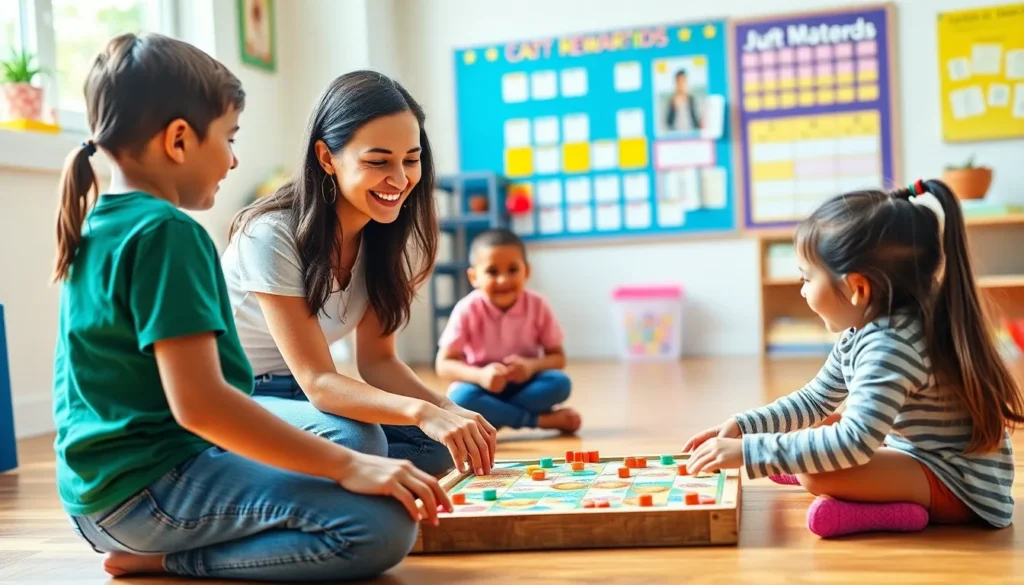
Training children can feel like herding cats—adorable but utterly chaotic. Yet, with the right approach, it can be a fun and rewarding experience. Parents and caregivers often wonder how to instill good habits while keeping the little ones engaged. The secret lies in blending structure with creativity, making learning feel less like a chore and more like an adventure.
Understanding Child Development
Understanding child development is crucial for effective training. Recognizing growth milestones aids in tailoring educational approaches.
Stages of Child Development
Children progress through distinct stages: infancy, early childhood, middle childhood, and adolescence. Infants rely on sensory experiences for learning. Early childhood marks increased curiosity, fostering exploration through play. During middle childhood, cognitive skills mature, leading to better problem-solving abilities. Adolescence introduces identity formation and social complexities, requiring guidance. Tailoring training methods to these stages ensures maximum engagement and retention. Observing behaviors allows caregivers to meet developmental needs effectively.
Importance of Training in Early Years
Training in early years lays a strong foundation for lifelong learning. Developmental research shows that early experiences shape brain architecture significantly. Skills acquired during these formative years enhance cognitive, social, and emotional growth. Consistent training promotes resilience and adaptability, molding children into capable individuals. Parental involvement in training creates a nurturing environment, reinforcing positive behaviors. Evidence suggests that structured training can prevent behavioral issues later in life, establishing a pathway for future success.
Effective Training Methods
Training children effectively involves employing methods that foster engagement and understanding. Utilizing specific techniques can significantly impact their development.
Positive Reinforcement Techniques
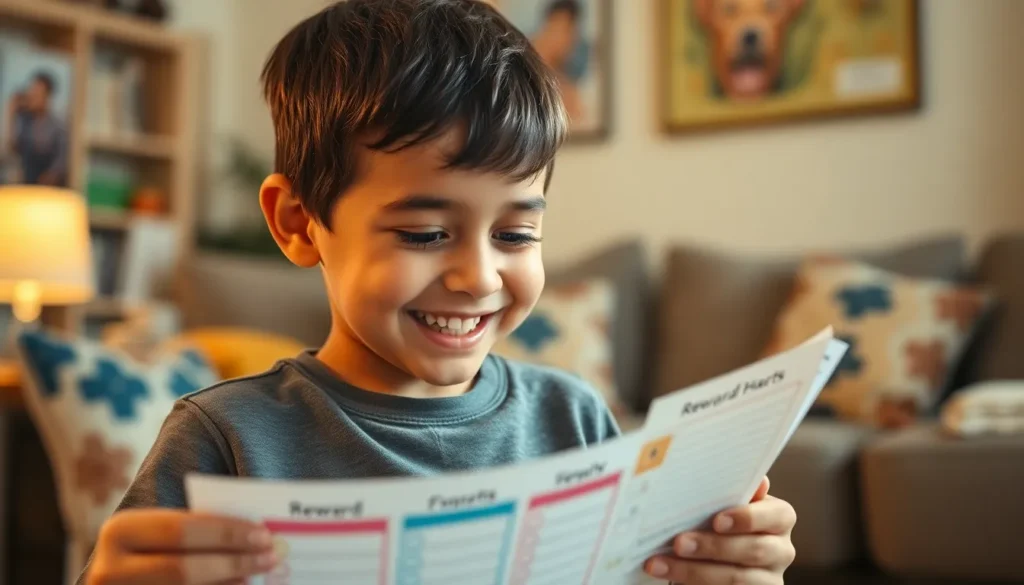
Positive reinforcement encourages desirable behaviors in children. Rewards such as praise or small treats motivate them to repeat good actions. For instance, when a child completes homework, verbal recognition boosts their confidence. Parents can create a reward chart for various accomplishments to visually track progress. Celebrating small successes helps children associate effort with positive outcomes. This method cultivates self-esteem and establishes trust between the caregiver and child.
Setting Clear Expectations
Setting clear expectations aids children in understanding boundaries and objectives. When caregivers communicate specific rules, children grasp what is acceptable. Creating structured routines, like a daily schedule, provides consistency. Discussion of expectations before introducing new tasks prepares children for challenges ahead. Visual reminders, like charts or checklists, reinforce these standards. Clarity in expectations also fosters responsibility, empowering children to own their actions.
Engaging Training Activities
Training children can be enjoyable with the right activities. Incorporating fun exercises keeps them motivated and enhances their learning experience.
Interactive Learning Games
Learning games encourage active participation and reinforce educational concepts. Board games like Scrabble or Bingo develop literacy and numeracy skills while making learning fun. Incorporating trivia quizzes can boost general knowledge in an entertaining way. Also, apps designed for educational purposes often combine play with learning, engaging children through colorful graphics and interactive content. Group activities foster teamwork, enhancing social skills and communication. Reinforcing lessons through various game formats caters to different learning styles and keeps children engaged.
Creative Play Techniques
Creative play techniques enhance children’s imagination and problem-solving abilities. Arts and crafts activities allow expression through colors and materials, promoting fine motor skills. Incorporating storytelling fosters literacy development and understanding of narrative structure. Role-playing scenarios help children navigate social interactions by practicing empathy and communication. Using everyday objects as props during play can spark creativity, turning mundane items into tools for learning. Such techniques stimulate curiosity, ensuring children enjoy their learning journey while gaining essential skills.
Addressing Common Challenges
Training children presents various challenges in maintaining engagement and compliance. Addressing these common hurdles effectively leads to a more productive experience for both caregivers and children.
Overcoming Resistance
Resistance often occurs when children feel overwhelmed or uninterested. Offering choices empowers children, giving them a sense of control. Encouraging participation in decision-making encourages enthusiasm towards training tasks. Additionally, incorporating fun elements aligns training with play, making activities feel less like chores. Using short sessions prevents fatigue and maintains interest. Recognizing achievements, no matter how small, motivates children, reinforcing positive behaviors.
Dealing with Distractions
Distractions arise frequently during training sessions. Minimizing these interruptions enhances focus. Designating a specific area for learning offers a dedicated space that limits distractions. Establishing routines instills familiarity and helps children anticipate activities, reducing anxiety. Integrating short breaks often refreshes attention spans, so kids remain engaged. Using handheld tools, like fidget toys, aids concentration, as they channel excess energy. Setting clear expectations before starting helps children understand the importance of the task, which encourages active participation.
Tips for Parents and Educators
Effective training of children benefits from strategic approaches. Parents and educators can adopt specific techniques to enhance the learning experience.
Consistency and Routine
Establishing consistency fosters security and predictability. Routine helps children understand expectations and develop discipline. Create a daily schedule that includes set times for activities like homework, play, and meals. These structured patterns instill a sense of responsibility and ownership over tasks. Consistency in rules, such as bedtime rituals, cultivates healthy habits and improves overall engagement. Routines also reduce behavioral challenges by clarifying boundaries. Daily check-ins serve as reminders, reinforcing adherence to schedules and enhancing focus.
Building a Supportive Environment
Creating a supportive environment fosters positive learning experiences. Provide a designated space for learning free of distractions. This setup enhances focus during study sessions. Incorporating comfort features, like soft seating and good lighting, promotes a conducive atmosphere. Encouraging open communication allows children to express their thoughts and feelings, strengthening relationships. Use positive reinforcement, such as praise or rewards, to motivate and affirm achievements. A nurturing space increases child confidence and willingness to engage, solidifying the foundation for effective training.
Conclusion
Training children doesn’t have to be a daunting task. With the right blend of structure and creativity, it can become an enjoyable experience that fosters growth and development. Understanding the unique stages of child development is essential for tailoring effective training methods.
By incorporating positive reinforcement and engaging activities, parents and caregivers can create a nurturing environment that encourages learning. Consistency and routine play vital roles in helping children thrive, while the use of interactive games and creative play keeps them engaged.
Ultimately, a thoughtful approach to training can lay the groundwork for children’s future success, equipping them with the skills and confidence they need to navigate life’s challenges.