
Fast food might be the ultimate convenience, but it comes with a side of regrets that even the tastiest fries can’t fix. While those golden arches and drive-thru windows promise a quick meal, they often deliver a hefty dose of empty calories, unhealthy fats, and a sprinkle of regret. It’s like inviting a wolf into your sheep pen—sure, it’s entertaining at first, but you’ll be left wondering where all your nutrition went.
Overview of Fast Food Nutritional Value
Fast food often appeals due to its convenience, but its nutritional value raises concerns. Understanding common ingredients helps reveal why many fast food options lack essential nutrients.
Common Ingredients in Fast Food
Processed meats such as burgers and chicken nuggets often contain preservatives and additives. Refined grains in burger buns and wraps typically lose fiber during processing. High levels of sodium often enhance flavor but can contribute to health problems. Sugar plays a significant role in beverages and desserts, providing empty calories without nutrients. unhealthy fats, particularly trans fats and saturated fats, frequently appear in fried items and sauces.
Nutritional Analysis of Popular Fast Food Items
Many popular fast food items boast high calorie counts. For instance, a cheeseburger can contain around 300-600 calories, depending on size and toppings. French fries often accompany meals, offering about 300 calories for a medium serving, thanks to added oils. Chicken sandwiches can range from 400 to 800 calories, especially with sauces. Nutritionally, these meals often lack vitamins and minerals, making them less satisfying for long-term health.
Health Effects of Regular Fast Food Consumption
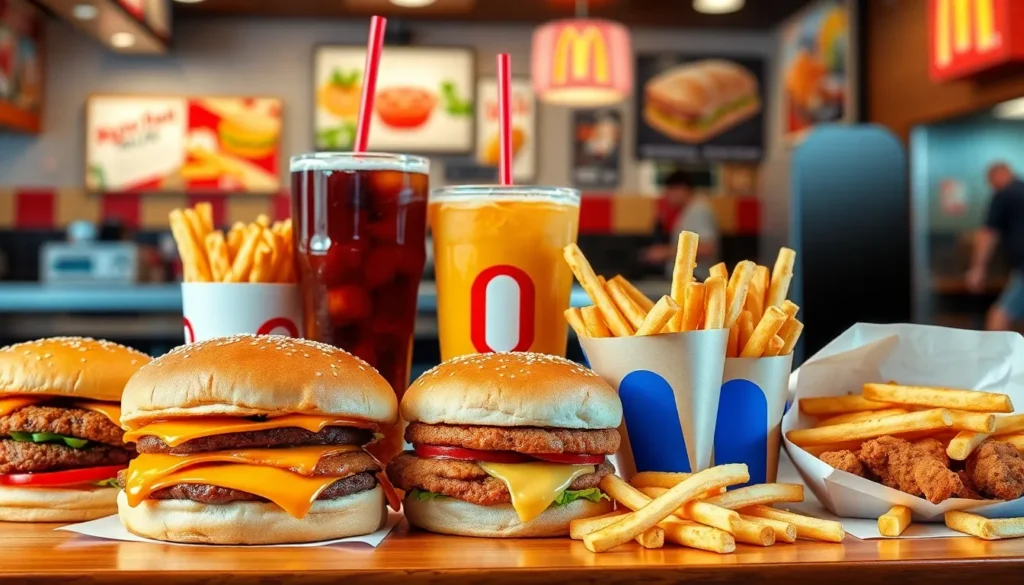
Regular fast food consumption significantly impacts overall health. The convenience of fast food comes at a cost, leading to numerous adverse effects.
Impact on Weight and Obesity
Fast food contributes to weight gain and obesity due to its high-calorie content. Meals often contain empty calories without essential nutrients, creating a caloric surplus. Many cheeseburgers yield 300-600 calories while chicken sandwiches range from 400-800 calories. Frequent consumption of such meals can increase body mass index (BMI). Eating fast food multiple times a week correlates with a higher likelihood of obesity. Studies indicate that individuals consuming fast food more than twice a week face a greater risk of excess weight gain and related health complications.
Effects on Heart Health
Heart health suffers with regular fast food consumption. Many fast food items contain unhealthy fats, high sodium levels, and added sugars, increasing the risk of cardiovascular diseases. Elevated sodium intake leads to high blood pressure, a major contributor to heart issues. Studies show that diets high in trans fats raise bad cholesterol levels while lowering good cholesterol. Healthy adults consuming fast food frequently face increased risks of heart disease and stroke. The long-term effects of these dietary choices can result in serious health problems, including heart attacks and heart failure.
Misconceptions About Fast Food
Misconceptions about fast food often cloud judgment regarding its true impact on health. Many individuals prioritize convenience over nutritional quality, assuming that fast food satisfies hunger while providing adequate nourishment. Nutritional analysis shows otherwise; popular items like cheeseburgers and chicken sandwiches contain high calories yet lack essential vitamins and minerals. Increased consumption correlates with weight gain, suggesting that the convenience factor may come with significant health trade-offs.
Perceived Convenience vs. Nutritional Quality
Convenience entices consumers with ready-to-eat meals. Fast food chains offer quick service, allowing for on-the-go dining. Individuals frequently overlook the detrimental health effects of these meals. Though they satisfy immediate cravings, their nutritional quality often falls short. High-calorie content leads to feelings of hunger shortly after consumption. Therefore, quick fixes do not equate to nourishing choices.
Marketing Strategies and Health Claims
Marketing strategies frequently mislead consumers regarding health benefits. Fast food chains often promote salads and fruit options while masking high-calorie ingredients. Health claims appear on menus, but the reality often tells a different story. Companies leverage appealing visuals; enticing images of meals overlook the unhealthiness of many ingredients. Consumers must remain vigilant in discerning actual nutrition despite attractive advertising tactics.
Alternatives to Fast Food
Exploring alternatives to fast food can lead to healthier eating habits. Many options prioritize nutrition and overall well-being.
Healthy Fast Food Options
Some fast food chains now offer healthy alternatives. Grilled chicken sandwiches provide lean protein without excessive calories. Salads topped with fresh vegetables contain essential vitamins, while whole grain wraps offer more fiber than traditional options. Smoothies made with real fruit serve as nutritious beverages, replacing sugary sodas. Consumers find these selections more satisfying and beneficial than typical fast food items.
Meal Prep and Planning
Meal prep and planning make nutritious eating convenient. Preparing meals in advance allows selection of wholesome ingredients. Utilizing fresh vegetables, lean proteins, and whole grains helps create balanced meals. Investing time on weekends to cook and portion meals ensures accessibility during busy weekdays. Crafting a weekly meal plan can simplify grocery shopping, reducing impulse buys of unhealthy fast food. Adopting this practice cultivates healthier eating patterns over time.
Conclusion
Fast food may offer immediate gratification and convenience but comes with significant health drawbacks. The high calorie counts and lack of essential nutrients can lead to long-term health issues. While some chains are beginning to introduce healthier options, the majority of fast food remains detrimental to overall well-being.
Consumers should remain cautious and informed about their food choices. By prioritizing nutritious meals and exploring healthier alternatives, individuals can break free from the cycle of fast food dependency. Embracing meal prep and planning can pave the way for a more balanced diet, ultimately leading to improved health and vitality.